Why Americans Love Football: Culture, Community, and Tradition
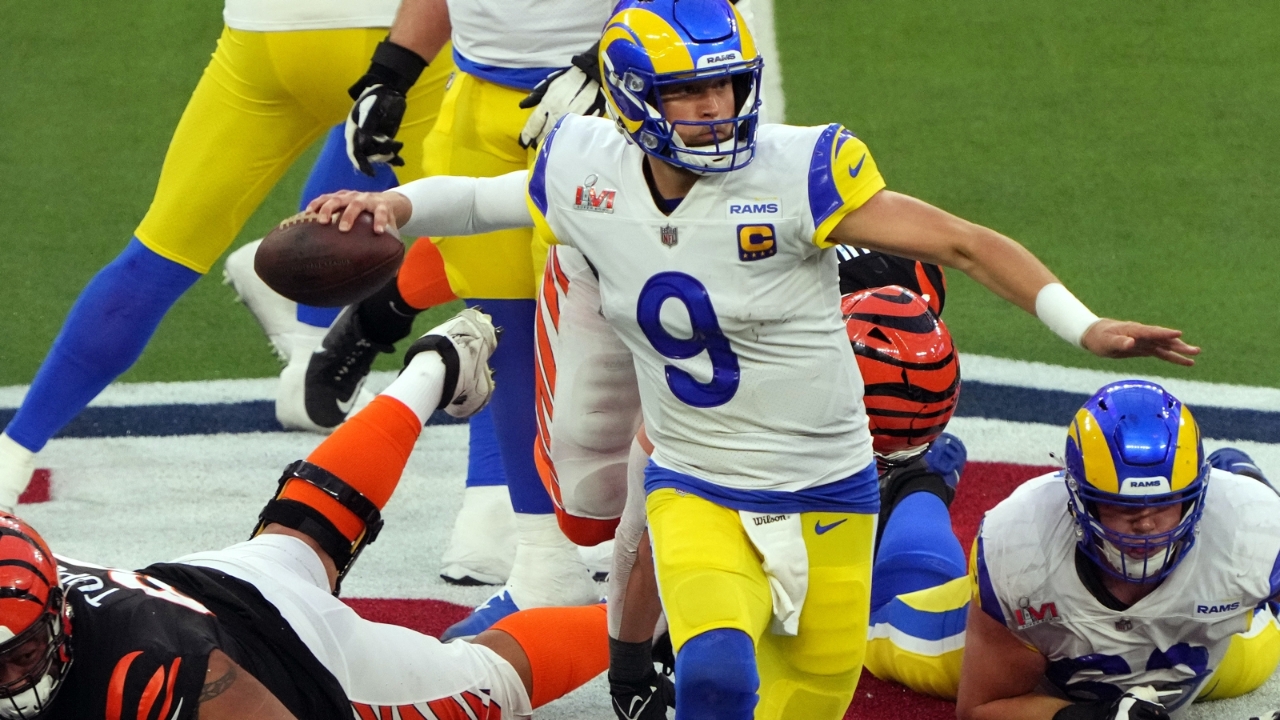
Why Americans Are Passionate About Football
Professional football holds a position in American life that no other sport has managed to challenge. Week after week, NFL games dominate television schedules, regularly drawing audiences that exceed most major entertainment broadcasts. The Super Bowl remains the clearest proof of this dominance, pulling in more than 125 million U.S. viewers and turning a single game into a nationwide event that cuts across age, region, and background. Football does not stop when the broadcast ends. It carries into daily conversations, online discussions, and the way people organize their time throughout the season. At a time when attention is scattered across countless digital formats, football maintains a rare ability to gather people around the same experience at the same moment. This level of engagement raises an obvious question: why does professional football continue to command such loyalty?
Community Spirit
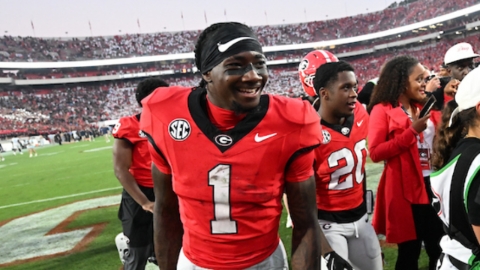
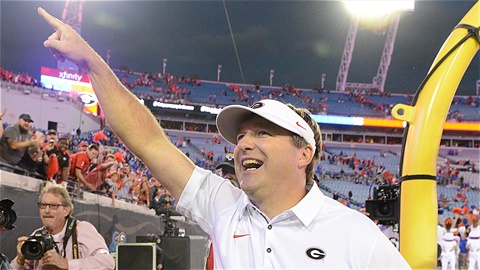
American football in the U.S. is more than a sport – it’s a shared cultural festival. Across the country, game days become community events. Stadium parking lots transform into tent cities where friends and neighbors grill food and share stories before kickoff. In fact, historians note that this tailgating ritual has deep roots. Gatherings around food and entertainment date back to ancient harvest feasts. Today’s fans carry on that tradition. One report observes that “Friday nights feel incomplete without football” in many towns, and game days “feel less like a game and more like a tradition.” Fans of all ages fill the stands, carrying on rivalries passed down through families. As one community news story sums up, football season is “not just about points, but shared pride and belonging across towns.” This collective identity, from high school Friday-night lights to college and professional teams, binds people together. When a hometown player scores or a beloved franchise wins, entire cities celebrate as one. In this way, football creates a strong sense of unity and local loyalty that few other sports match.
Game-Day Rituals and Tradition
Football games bring a wealth of pageantry and ritual that reinforces the sport’s emotional pull. Pre-game traditions, from marching bands and team anthems to ceremonial first downs, give each game a sense of occasion and meaning. Tailgating is one celebrated example: on fall weekends, communities erect “tent cities” in parking lots, grilling food and sharing in festive banter. These gatherings are more than parties, they reinforce community bonds, linking personal memories to a collective tradition. High school football under Friday night lights is often described as a phenomenon that “binds communities together.” In many towns, local teams unite families and generations – alumni return for games, businesses decorate in team colors, and neighborhoods buzz with anticipation. Each cheer and chant or school fight song sung under the lights deepens fans’ sense of unity.
Fan Engagement
Today’s football culture offers countless ways for fans to connect with the game beyond the stadium. Sports channels and websites “bombard the public” with football content: highlights, statistics, and commentary. Many fans join fantasy leagues or office pools, imagining themselves as team managers or betting on outcomes. Online apps and computer games let fans follow players and call plays in virtual leagues, while live betting platforms allow wagers on everything from final scores to individual player stats. Even popular bonus aggregators offer separate bonuses and promotions for sports fans. For example, Spinfin promo codes at Casinos Analyzer make it possible to start with much better conditions in betting while delivering an adrenaline rush similar to live game action. This constant engagement, through digital media, social apps, and even gaming sites, helps keep the passion alive around the clock.
The Thrill of the Game Itself
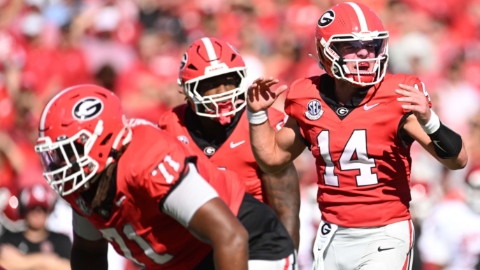
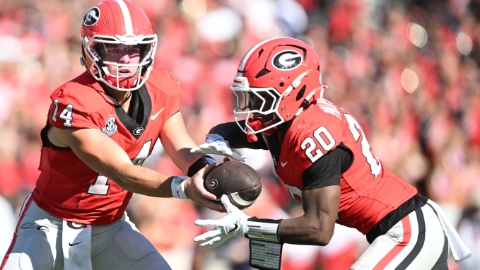
Beyond community, the game itself delivers a unique excitement. Each play lasts only a few seconds, but fans experience quick bursts of suspense, a quarterback in the pocket, a receiver sprinting downfield, and a last-second field goal attempt, all set against the ticking 60-minute game clock. This clock adds urgency: teams leading will try to run down the clock, while trailing teams use dramatic “hurry-up” drives. The result is a dynamic rhythm that fits modern attention spans and creates natural momentum swings. For novices, understanding the game is straightforward (the goal is to advance the ball into the end zone). For seasoned fans, each play is the culmination of complex strategy, from blocking schemes to play-calling. It’s like watching a battle unfold on a gridiron, which resonates with Americans’ taste for direct competition. Every yard gained feels hard-won, and every touchdown sparks joy, a blend of raw athleticism and collective teamwork that keeps fans on the edge of their seats.
Football and American Values
Football often encapsulates stories of hard work, perseverance, and teamwork that Americans admire. The game’s narrative, where underdogs can prevail and each play can change the outcome, resonates with cultural ideals of opportunity and individual effort. Observers have noted that the constant motion and coordination required in football “mirrored” the shift toward corporate, team-oriented work in mid-century America. The sport has been described as “representative of American exceptionalism,” symbolizing a bold and competitive national spirit. In practice, this means football fandom often serves as an expression of identity and pride. Fans adopt team colors and chants as part of their personal identity, and generations share stories of memorable games as family lore. Even the spread of football globally, from youth leagues to international broadcasts, underscores its place as a living cultural phenomenon. In essence, football provides a narrative framework through which many Americans experience values like resilience, unity, and achievement.