NIL Deals and What They Mean for Student Athletes
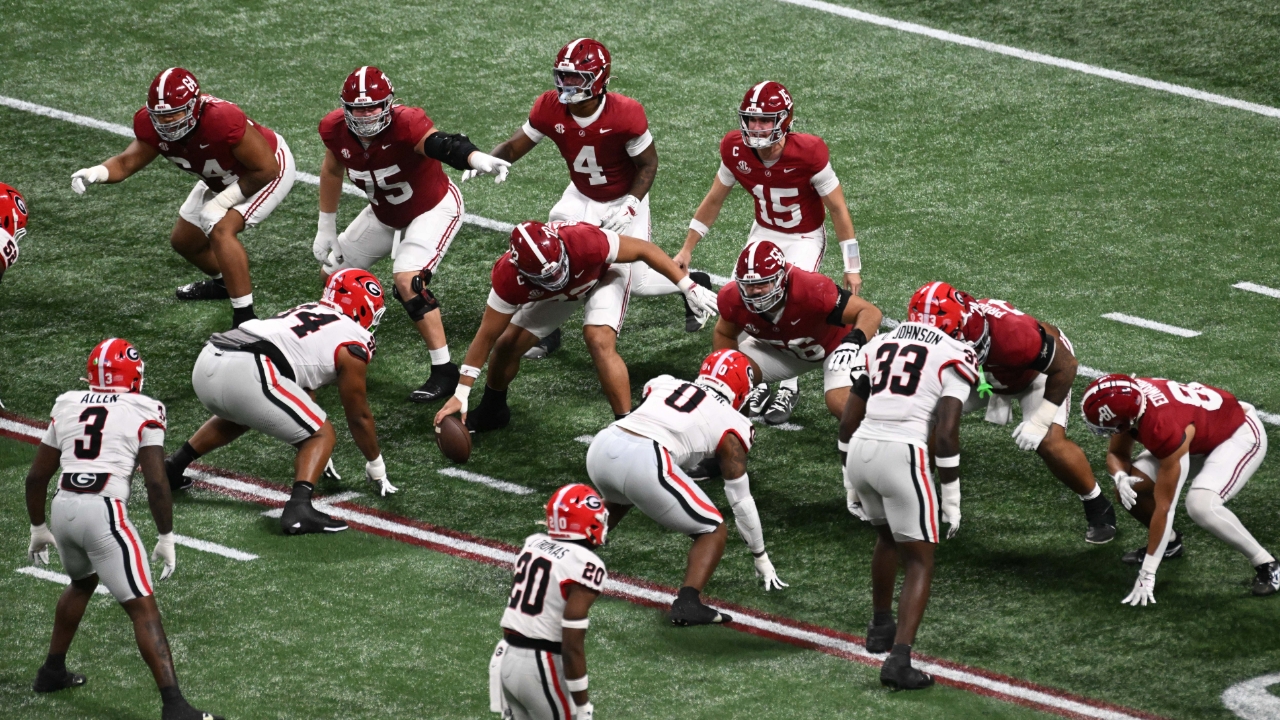
College sports changed forever in 2021. Student athletes can now profit from their name, image, and likeness. Top players sign million-dollar deals while still in school. Understanding NIL opens doors that didn't exist a few years ago. Whether you play football, basketball, or any sport, this affects you.
What NIL Actually Means
NIL stands for Name, Image, and Likeness. It's your legal right to control how your identity gets used commercially. Before 2021, college athletes couldn't make money from their fame. Signing with a team meant giving up those rights.
The Supreme Court case NCAA v. Alston changed everything. Now athletes sign sponsorship deals, do paid appearances, and create content for money. Schools can't pay you directly yet, but third parties can. This includes brands, local businesses, and NIL collectives run by boosters.
Managing Everything at Once
Student athletes juggle paperwork, games, travel, and classes. Adding NIL opportunities creates another layer. Successful athletes learn to organize their time across all these demands.
Coursework needs focused attention that sometimes competes with athletic and business commitments. Managing everything takes real skill. Athletes building their brand sometimes search “complete my assignment” to get guidance when schedules get packed. This helps maintain writing while pursuing athletic and NIL opportunities. Smart time management separates those who thrive from those who struggle. These skills prepare you for life after sports. Athletes who succeed treat NIL like running a small business. They stay organized, meet obligations, and protect their eligibility.
How Much Athletes Actually Make
The NIL market isn't equal. Top athletes earn millions while most make under $100 yearly. Colorado quarterback Shedeur Sanders leads current valuations at $4.7 million. The top 20 athletes each make over $1 million according to On3.
Football gets 41% of all NIL deals. Only 1% of athletes earn more than $50,000. Most deals fall way below that. Location matters too. Athletes at major programs in big markets have advantages over smaller schools.
High school athletes in some states can now sign NIL deals before college. This changes recruiting completely. Athletes give coaches lists of NIL demands before committing. The power shifted to players.
Types of NIL Deals
NIL deals come in several forms. Endorsements have you promote brands or products. Appearance fees cover autograph signings and meet-and-greets. Content creation pays for social media posts and videos. You can also run sports camps or sell branded merch.
Collectives handle deals differently. Some pay athletes upfront then take a cut of future earnings. Others connect athletes with brands as middlemen. Group deals bundle multiple athletes from one team. The profits split among members.
Understanding which structure works best takes research. Some athletes hire agents. Many schools now offer NIL training and business advice.
Building Your Personal Brand
NIL success starts with personal branding. Social media presence drives value. Athletes with large followings command higher payments. Content creation skills matter as much as athletic ability for some deals.
Consistency beats occasional posting. Engage with fans regularly. Show personality beyond sports highlights. Brands want authentic voices, not walking ads. Your online presence becomes your portfolio.
Key factors boosting NIL value:
Strong social media following across platforms
Real engagement with fans beyond highlights
Winning performance keeping you visible
Media coverage from local and national outlets
Unique personality brands want
Professional content creation skills
Think long-term about brand building. The foundation you create extends beyond college into pro careers or business.
Tax and Legal Stuff
NIL money counts as income. You owe taxes on earnings. Athletes making over $600 from deals, as stated, must report to schools and the IRS. Many don't realize this until tax season. Set aside money for taxes to avoid problems.
Legal contracts need careful review. Don't sign without understanding terms. Some deals include performance clauses or exclusivity requirements. Schools often provide legal help to review contracts. Use them.
Protecting Your Eligibility
Current NCAA rules ban NIL contracts based on athletic performance. Deals can't include clauses cutting payment or canceling if you get injured. Performance might boost your value, but contracts can't directly tie to it.
Report all deals to your athletic department. Most schools require pre-approval before signing. Violations risk your eligibility and scholarship. The NCAA's NIL Assist platform helps track deals and provides resources.
Transfer Portal Impact
The transfer portal changed with NIL. Athletes now consider NIL opportunities when choosing schools. Programs with strong collectives attract top transfers. Unlimited transfers starting in 2024 increased player movement.
Medical coverage during transfers gets complicated. Who pays for rehab if you transfer while injured? These questions remain unclear. Having documentation helps protect yourself during transitions.
Insurance and Injury Protection
The NCAA created two-year post-eligibility insurance starting August 2024. It covers medical expenses up to $90,000 for competition injuries. Coverage begins when you finish playing or exhaust eligibility.
Injuries must be reported and documented immediately. Schools handle recordkeeping for claims. This protection helps during the transition from college to whatever comes next.
NIL deals can't be canceled or reduced due to injury under current rules. This protects athletes who get hurt. Your brand value might change, but existing contracts stay intact.
The Future of NIL
NIL keeps evolving fast. Congress debates national standards to replace the current mess of state laws. Revenue sharing will expand as schools figure out sustainable models. Athletes might eventually get direct school payments beyond NIL.
The clearinghouse system aims to prevent abuse while allowing real deals. Transparency requirements increase as the market matures. More athletes will hire professional help as stakes grow.
High school NIL deals will likely expand to more states. The trend points toward younger athletes building brands earlier. This changes how recruiting works and when athletic careers become businesses.
Making NIL Work for You
Start building your brand now even if deals seem far off. Create quality content consistently. Engage authentically with followers. Research what successful NIL athletes do differently.
Connect with your school's NIL resources. Attend workshops on business basics and legal requirements. Network with local businesses interested in athlete partnerships. Smaller deals build experience for bigger opportunities.
Track your analytics and understand your audience. Brands want data showing your reach and engagement. Professional presentation matters when pitching yourself to potential partners.
NIL creates opportunities that didn't exist for previous generations. Learning to navigate this while maintaining academic and athletic performance builds skills valuable long after sports end. Athletes who succeed treat NIL seriously while keeping priorities straight.