How to Vet a Source Like a Recruiting Analyst: A Fan's Checklist for Any Sports Platform
Recruiting analysts live in a world of rumors. A cryptic post, a "source says" tweet, a screenshot that may or may not be real. The good ones don't make a prediction because of one post. They ask who said it, how that person would know and whether anything else backs it up. Only then do they put their name on a call.
Fans can use the same process on the platforms that compete for their attention, from team apps to betting guides and comparison sites. Ali Raza's NFL sportsbook guide at BestOdds, fact-checked by Bekah Wright, reads like an editor's walkthrough of the sportsbook landscape, and it shows its work. A dedicated section explains how the site vets each sportsbook, from confirming it holds a valid license in every state where it operates to checking that responsible gambling tools such as deposit limits, session time limits and self-exclusion are easy to find.
That kind of transparency is useful even if you never place a bet. And for Georgia fans, the legal picture matters: sports betting is still not legal in the state. On Crossover Day in March, a proposed constitutional amendment to legalize it fell well short in the Georgia House, getting 63 votes when it needed 120. Any app offering Georgians real-money sports bets should raise an immediate red flag.
Here's a checklist that works for any sports platform, borrowed from how good analysts operate.
1. Who Is the Source?
Start with names. Can you tell who wrote the piece, who checked it and when it was last updated? Anonymous content isn't always wrong, but it's much harder to hold accountable.
A platform that puts a writer, an editor and a date on its pages is giving you something to judge it by. The BestOdds guide, for example, lists its author and fact checker along with a published date and an updated date, so you know how fresh the information is.
2. How Close Are They to It?
A recruiting analyst knows the difference between a coach saying something on the record and a friend of a friend repeating it. Ask the same of any platform. Is it reporting what it saw or heard firsthand, or summarizing what someone else said?
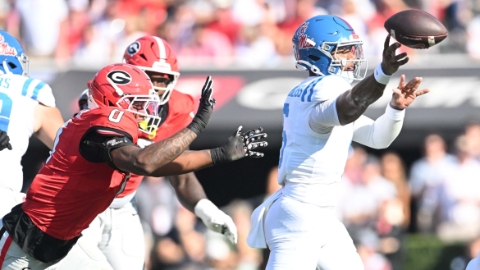
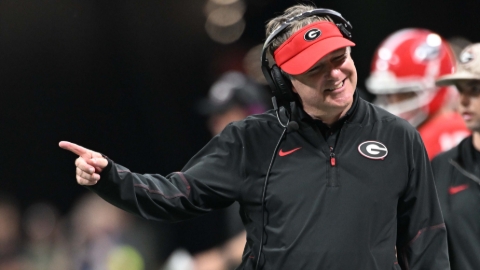
Georgia fans got a good example of this during the bye week. After the loss to Auburn, speculation spread online about whether Gunner Stockton was dealing with a head injury. When Kirby Smart was asked directly at his Tuesday press conference, the full Dawg Post transcript shows him saying Stockton had no concussion symptoms but did have a stinger in his shoulder. A secondhand rumor and an on-the-record answer can point in very different directions, and only one of them should shape what you believe.
3. Can You Confirm It Somewhere Else?
One source is a rumor. Two independent sources start to look like information. If a platform makes a claim that nobody else is reporting, that doesn't automatically make it false, but it does mean you should wait before you act on it.
This matters most for anything involving money or the law. If a site tells you a betting app is available in Georgia, check it against local reporting before you believe it.
4. Who Benefits?
Every platform has a business model, and it's worth knowing what it is. Many sports and betting sites earn money when readers click through to products they recommend. That's legal, but it should be disclosed, and it should be easy to find. The BestOdds page, for instance, says that no sportsbook pays for placement on it and links to its affiliate policy.
The Federal Trade Commission's guide Disclosures 101 for Social Media Influencers makes the same point for social media: people who promote a brand need to tell their audience about any financial or personal relationship with it, and the disclosure should be hard to miss rather than buried on a profile page or at the end of a post. If you can't find a disclosure, be more skeptical, not less.
5. Is It Current?
Recruiting boards can change from week to week, and so can the facts on most sports platforms. Laws, promotions and availability all move. Check the date on anything you rely on, and treat old information the way an analyst treats last month's prediction: interesting, but not decisive.
Georgia's own betting debate shows why. WABE describes sports betting as a perennial issue at the state Capitol, which means the legal answer can change from one legislative session to the next. A guide written before the latest vote may simply be out of date, so always look for the most recent information before you trust it.
Make the Call Yourself
What sets the best analysts apart isn't how many sources they have, but knowing which ones to trust and why. Run any platform through these five questions and you'll quickly see which ones have earned a place in your routine, and which ones are just making noise.
And if betting of any kind ever stops being fun, the National Problem Gambling Helpline at 1-800-522-4700 offers free, confidential support by phone, text or chat.
21+. Please gamble responsibly and only where it's legal.