Georgia NFL Pipeline: Why Bulldogs Keep Going Pro
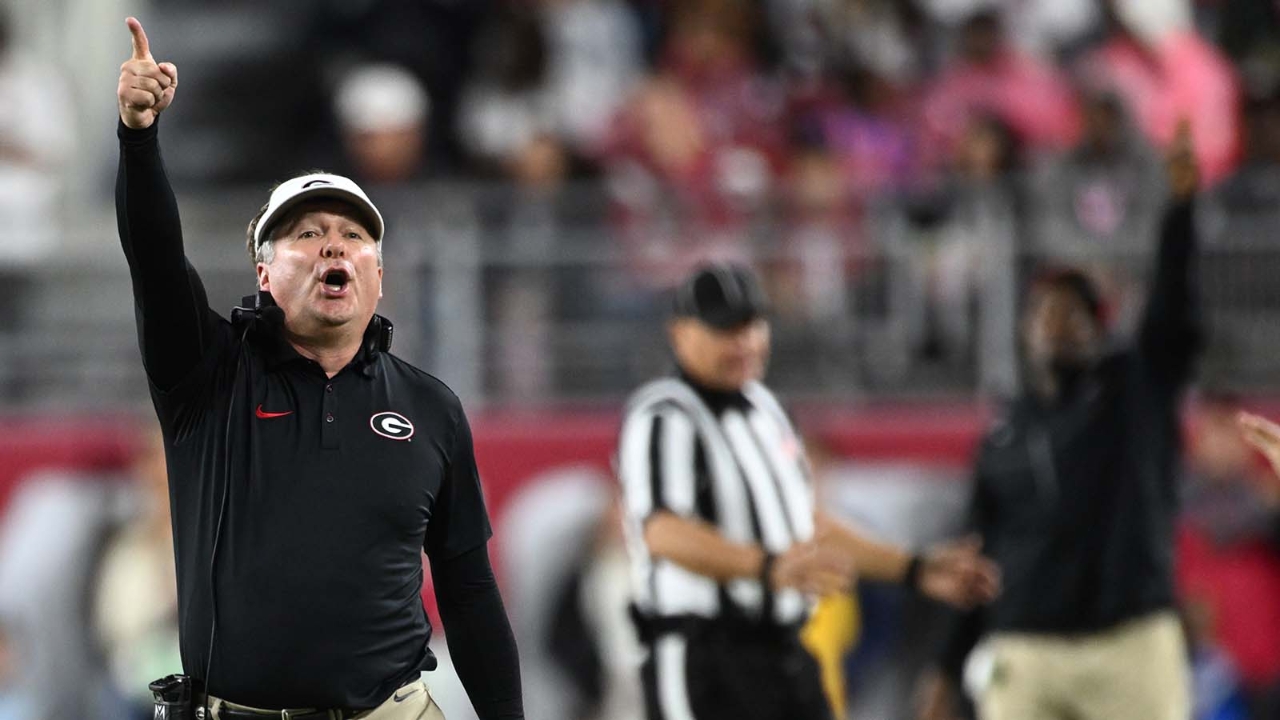
Georgia's NFL pipeline shows no signs of slowing down
Turn on an NFL game on Sunday and a former Georgia player usually isn't hard to spot — on the line, in the secondary, or carrying the ball. Under Kirby Smart, Athens has become one of college football's steadiest routes to the pros, and the point goes beyond names called on draft weekend.
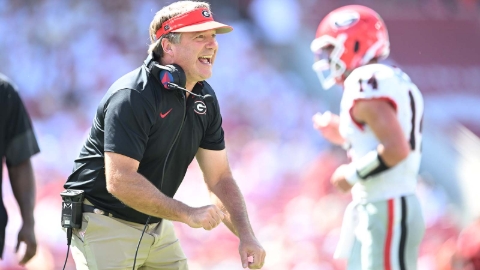
That work starts long before the draft. Smart and his staff run a program built around what comes next, with time in the weight room, film sessions, and weekly games against top competition all feeding into the same goal.
Georgia's growing presence on NFL rosters
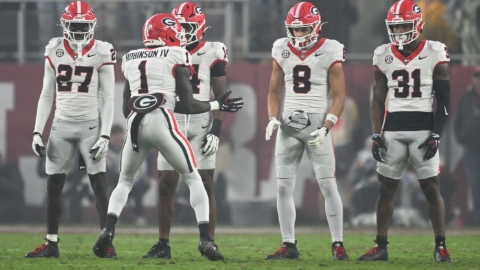
Georgia players now show up on NFL rosters at almost every position, which is why the Bulldogs get mentioned alongside long-running talent producers like Alabama and Ohio State.
That reach comes from daily habits that line up with what pro teams actually grade: size, strength, technique that holds up against faster competition, and the ability to handle a detailed playbook. Recent analysis places Georgia among the leading programs for current NFL representation, with that rise continuing under Smart's tenure.
The program's recent NFL Draft success
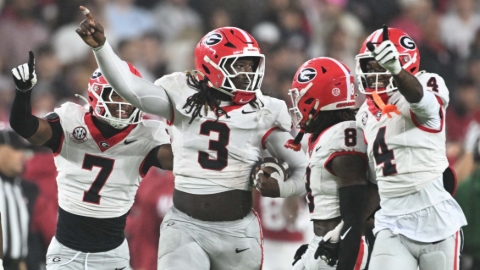
Look at Georgia's draft results over the last several years and the pattern is clear. Multiple Bulldogs hear their names called most years, and first-round picks keep showing up. The clearest example came in 2022, when Georgia led all programs in first-round selections with five defenders, sending a large group of talent into the league at the same time.
That kind of draft run matters on the front end too. Coaches don't have to speak in generalities when recent early picks and guaranteed rookie contracts are right there for recruits and their families to see.
Recruiting elite prospects and developing them for the next level
Georgia keeps signing top high school talent, but star rankings alone don't explain why so many Bulldogs make the jump to the NFL without looking out of place. The process leans on habits that carry over:
- Strength and conditioning: Training plans, recovery work, and day-to-day attention to staying durable.
- Position coaching: Techniques that hold up against NFL size and speed, not only against college opponents.
- Film study: Learning to spot formations, tendencies, and assignments quickly.
Georgia’s recruiting advantage has only grown in the NIL era, where financial opportunities can play a role in where elite prospects choose to play. But landing highly rated recruits is only part of the equation — Georgia’s ability to develop that talent is what keeps the NFL pipeline moving.. With NIL agreements and collective backing reshaping the sport, there's more recruiting money involved in where top prospects land. The behind-the-scenes work still matters too, which is why recruiting coordinators remain part of the discussion around how programs organize that process.
The importance of Georgia's competitive depth
Depth changes the feel of a roster. A starter knows a dip in play can cost him snaps because a capable backup is already there. That looks a lot like life in the NFL.
The schedule reinforces it. Georgia faces ranked SEC opponents regularly, and scouts pay attention because players are dealing with pressure, speed, and physical matchups that look closer to Sundays. That preparation shows up in small ways:
- Practices built around speed and physicality that match game conditions
- Rotations that keep younger players involved without lowering the standard
- Players getting comfortable in hostile road environments
Positions where the Bulldogs have consistently produced NFL talent
Some schools become known for one position group. Georgia has produced players across the roster, though a few spots have been especially reliable:
- Defensive line: A steady source of draft picks and early contributors.
- Offensive skill positions: Running backs and tight ends often reach the league, helped by roles that show pro traits.
- Secondary: Cornerbacks and safeties often arrive with experience in coverages that require communication and discipline.
Taken together, those groups point to the same idea: Georgia is preparing players for pro evaluations, not only for college Saturdays.
How Georgia compares with college football's other major NFL pipelines
Alabama, Ohio State, and LSU have been sending talent to the NFL for a long time. Georgia now belongs in that group on a year-to-year basis. The difference is the spread across positions — some schools stack picks in one area and thin out elsewhere, while Georgia's output has been more even. Former Bulldogs are also lasting long enough to reach second contracts, which is often a better measure of readiness than draft night alone.
Why NFL production strengthens Georgia's recruiting pitch
Families notice a track record they can actually trace. A defensive end considering Georgia can look at former Bulldogs already playing meaningful snaps in the NFL and see a direct path from Athens to a pro roster.
That record helps with staffing too. Assistant coaches want to work where their position group keeps producing NFL players, and over time that gives the program more strength on the sideline as well as on the field.
Conclusion: What Georgia's pipeline signals going forward
Georgia's steady flow of NFL players comes from repeatable habits: pro-style development, constant competition inside the roster, and a team built to handle SEC pressure. That gives recruits, families, and fans something more concrete than hype. If those habits stay in place, Georgia will keep standing out as one of the clearest paths from college football to the NFL.